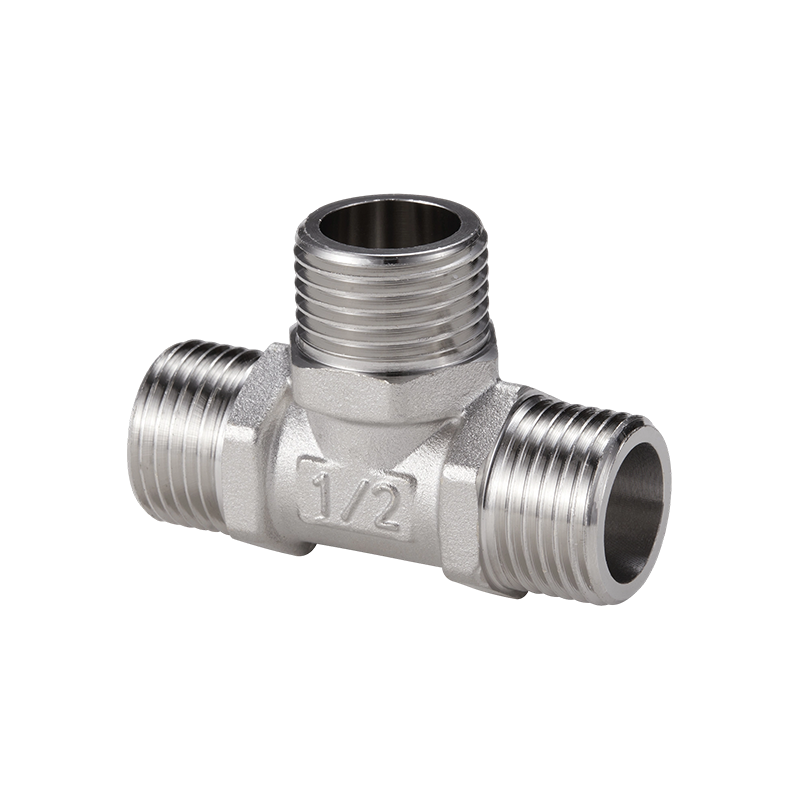
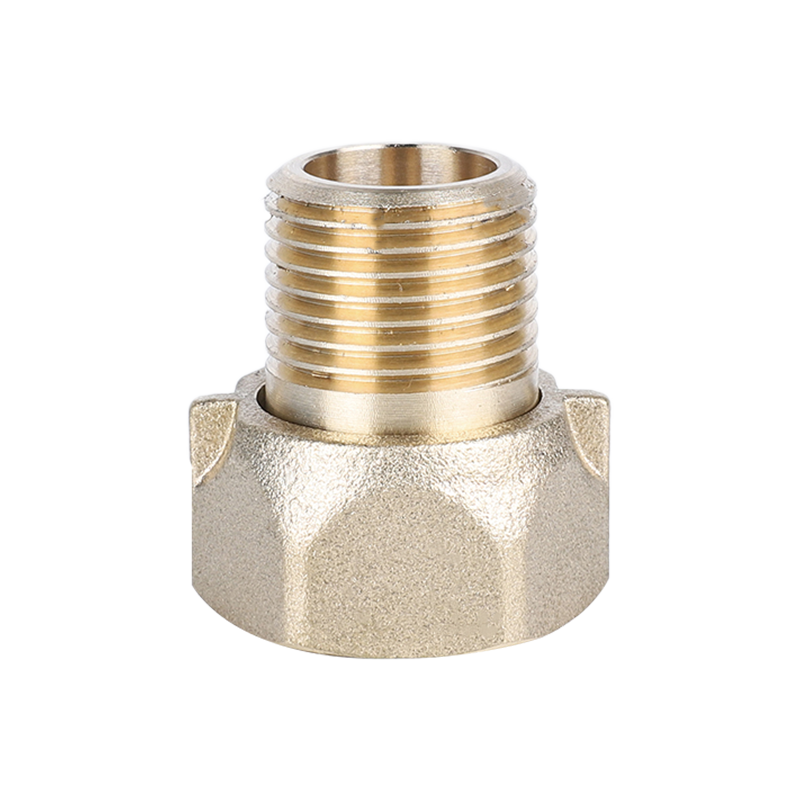

YH-204 บอลวาล์วล็อคด้วยแม่เหล็ก (F / F)
ข้อดีหลัก • ระบบล็อคป้องกันการงัดแงะด้วยแม่เหล็ก: ต้องใช้กุญแจแม่เหล็กเฉพาะในการทำงาน ป้องกันการเปิ...
บอลวาล์วทองเหลืองล็อคได้


 ภาษา
ภาษา


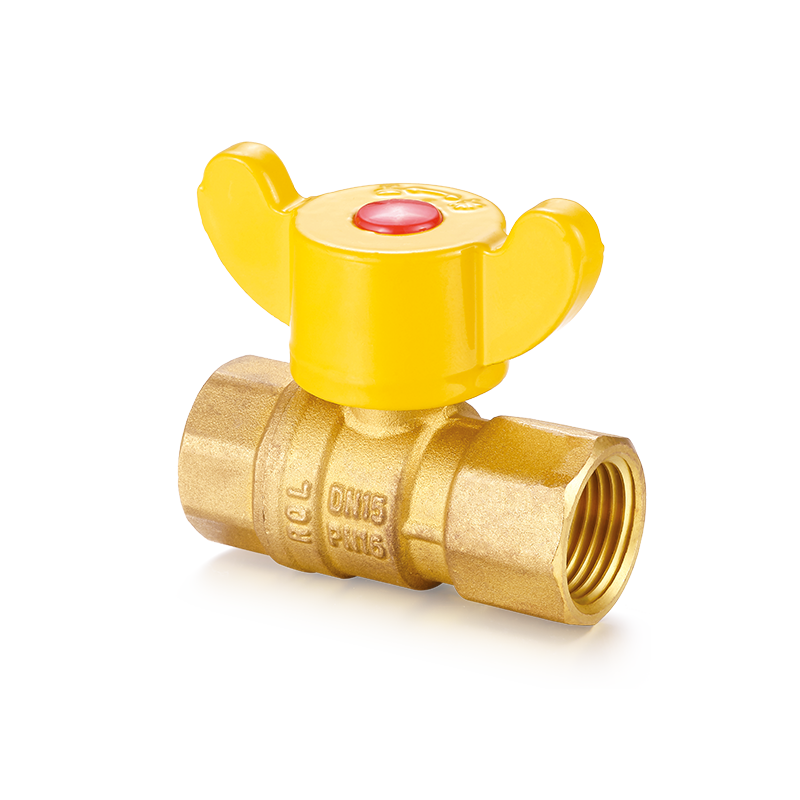
ข้อดีหลัก • ระบบล็อคป้องกันการงัดแงะด้วยแม่เหล็ก: ต้องใช้กุญแจแม่เหล็กเฉพาะในการทำงาน ป้องกันการเปิ...
บอลวาล์วทองเหลืองล็อคได้
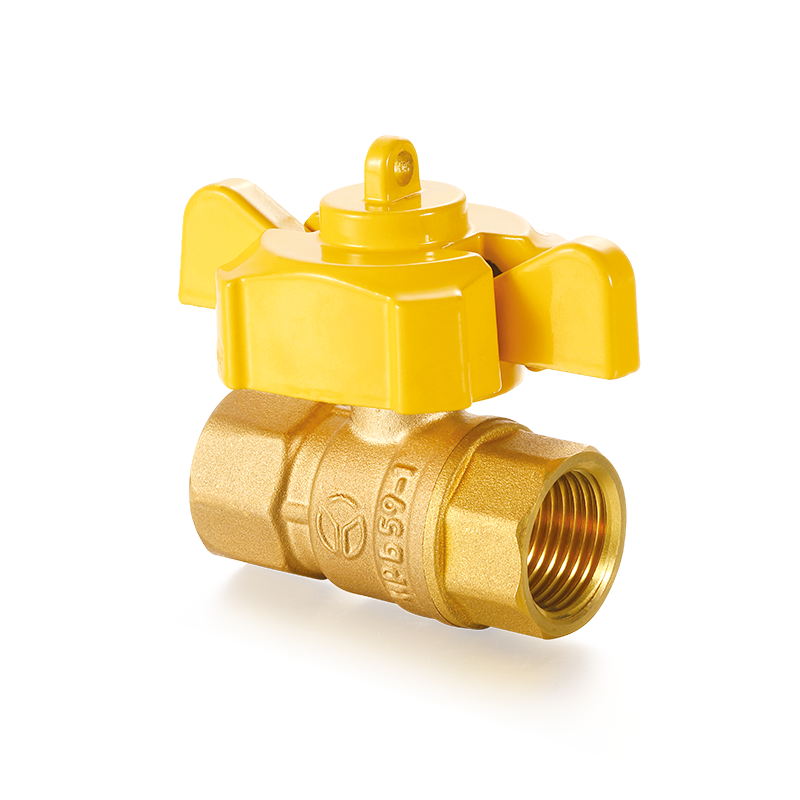
ข้อดีหลัก •กลไกการล็อคแบบควบคุมสองทาง: มีทั้งการทำงานแบบแมนนวลและการควบคุมแบบล็อคได้ ช่วยให้ผู้จัดก...
บอลวาล์วทองเหลืองล็อคได้


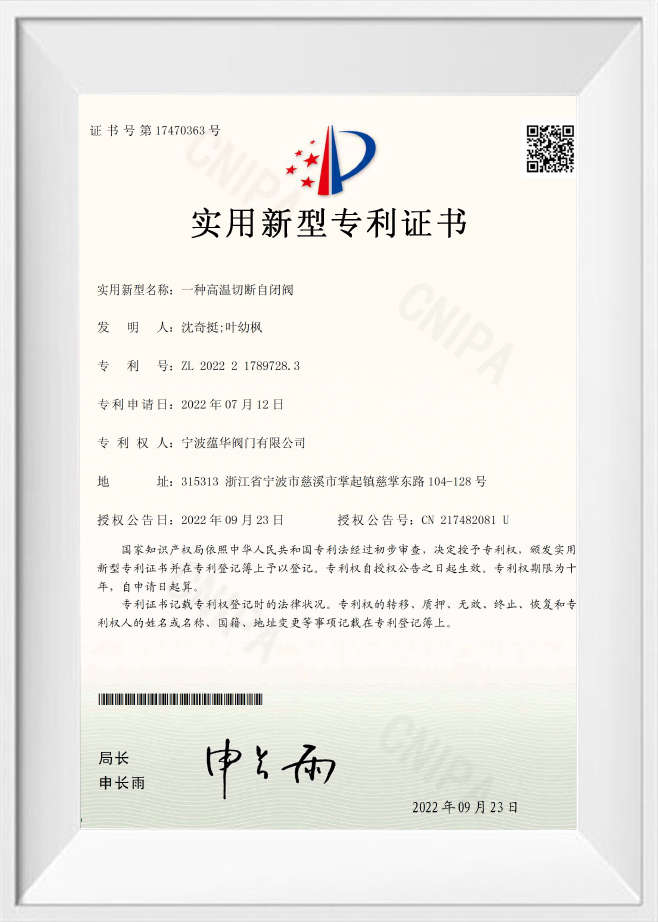
In industrial fluid control and commercial plumbing systems, ensuring that a valve remains in its intended position—fully open or fully closed—is critical for safety compliance and accident prevention. While standard brass ball valves offer reliable shut-off functionality, their freely rotatable operating handles pose a risk of unauthorized operation or accidental movement due to vibration. The lockable brass ball valve incorporates an engineered physical locking feature, elevating operational control to a new level of security.
The defining characteristic of this valve lies in its modified handle and stem structure. Unlike a standard freely rotating handle, the lockable brass ball valve integrates a padlock hasp or tab into the handle base or the handle itself. This hasp features one or more locking holes. When the valve is precisely positioned in the fully “closed” (handle perpendicular to the pipe, 0°) or fully “open” (handle parallel to the pipe, 90°) position, the locking hole on the handle aligns perfectly with a corresponding hole on the valve body. An operator can insert a standard padlock through these two aligned holes and lock it, physically preventing the handle from moving. This design is known as “Lockout/Tagout” (LOTO) capability, a key component of internationally recognized energy isolation procedures.
From a materials engineering perspective, the valve body is typically manufactured from high-quality forged brass, commonly grades such as CW617N or CW614N. These materials are renowned for their excellent corrosion resistance, good machinability, and sufficient mechanical strength. To further enhance durability and aesthetics, the valve body surface is often nickel-plated . This nickel-phosphorus alloy coating effectively prevents the brass from oxidizing or discoloring (commonly known as “tarnishing”) in humid or corrosive environments.
Furthermore, the blow-out proof stem design is another critical safety feature of modern lockable ball valves. This design ensures that even under high fluid or gas pressure, the stem cannot be forced out of the valve body during operation, thus preventing potential leakage or even a catastrophic stem ejection accident. The stem seal typically employs an adjustable PTFE (Polytetrafluoroethylene) gland packing. This material offers an extremely low coefficient of friction and excellent chemical inertness, ensuring smooth operating torque and providing long-term, stable sealing performance.
To visually illustrate the technical specifications of different types of lockable brass ball valves, a comparison table is provided below:
| Characteristic Parameter | Standard Lockable Ball Valve | Industrial High-Pressure Lockable Ball Valve | Blow-Out Proof Stem Type |
|---|---|---|---|
| Typical Model | KH 38 KEY | KH 114 B | JKL-279 / 556 BSP |
| Body Material | Nickel-Plated Brass | Nickel-Plated Brass | CW617N Brass |
| Nominal Pressure | PN 65 bar | PN 30 bar | PN 40 bar / 2.5 MPa |
| Temperature Range | -40°C to 170°C | -20°C to 150°C | -20°C to 120°C |
| Ball Material | Hard Chrome Plated Brass | Hard Chrome Plated Brass | Chrome Plated Brass |
| Seat Material | PTFE | PTFE / NBR | PTFE / Glass Fiber Reinforced PTFE |
| Connection Thread | Rp (Tapered Internal Thread) | G (Parallel Pipe Thread) | BSP / NPT / ISO228 |
| Locking Method | Handle-to-Body Hasp Locking | Optional Combined Handle | Handle Padlock Locking |
| Typical Applications | Compressed Air, Fuel Oil, Vacuum | Water, Mineral Oil, Neutral Gases | Industrial Water, Saturated Steam, Natural Gas |
Data compiled from industry standards.
It is worth noting that Ningbo Yunhua Valve Co., Ltd. has accumulated deep technical expertise in the field of valve manufacturing. As a company focused on pipeline system safety and innovation, Yunhua Valve fully understands the critical importance of lockable designs in protecting operator safety and equipment integrity. During the R&D process, our technical team prioritized optimizing the positioning accuracy and long-term operational reliability of the locking mechanism, ensuring that the holes on the handle and body remain precisely aligned after repeated locking/unlocking cycles, thereby providing a solid foundation for LOTO safety procedures.
Lockable brass ball valves are not necessary in every pipeline system. However, they are mandatory safety devices in environments where incorrect valve operation could lead to serious personal injury, significant property damage, or violations of workplace safety regulations. The core purpose of their application is to physically enforce energy isolation and eliminate the risk of human error.
The Lockout/Tagout (LOTO) procedure is the most fundamental and important application scenario in industrial safety. In manufacturing plants, chemical factories, pharmaceutical facilities, and energy production sites, equipment must be isolated from all potential hazardous energy sources (including compressed air, high-pressure liquids, electricity, chemical energy, etc.) before maintenance, repair, or cleaning. The lockable brass ball valve serves as a critical “energy isolation point.” According to standards like OSHA 1910.147 (USA), maintenance personnel must attach their personal safety padlock and tag to the energy isolation device (this valve) to prevent others from accidentally re-energizing the equipment while they are working. The reason brass lockable ball valves are favored in these applications is that they provide robust mechanical performance coupled with excellent corrosion resistance, capable of handling the complex fluids found in factories, such as hydraulic oils, coolants, and various process gases.
In the realm of public facilities and commercial buildings , lockable brass ball valves play an equally irreplaceable role. Consider a hotel with hundreds of rooms, or a densely populated school, hospital, or large apartment complex. If the natural gas pipes, fire water lines, or main water supply risers within these buildings could be freely operated by unauthorized personnel, the consequences would be dire. Maintenance staff can use lockable ball valves to completely shut off and lock the water or gas supply to an isolated section during emergency repairs or routine maintenance, with the key kept by a designated person. This method not only effectively prevents vandalism or malicious tampering but also avoids leaks or service interruptions caused by curious children or other unauthorized individuals accidentally manipulating valves, greatly enhancing the safety and management efficiency of public facilities.
The agricultural irrigation and marine engineering sectors are also significant application areas for these valves. On large farms, irrigation systems are widely distributed and often located in unattended fields. Incidents of unauthorized water theft or malicious valve closure are common. Lockable brass ball valves installed at key nodes effectively solve this problem. Farmers can set the valve status according to their irrigation plan, lock it, and ensure the system operates correctly. In marine engineering or coastal facilities, equipment is constantly exposed to harsh environments with high salt spray and high humidity, demanding extremely high material corrosion resistance. In response, advanced manufacturers produce ball valves using dezincification-resistant (DZR) brass . This special brass alloy optimizes the composition to effectively inhibit the preferential corrosion and leaching of zinc (dezincification) that can occur in specific water qualities (especially those with high chloride ion content). This prevents leakage or even bursting caused by the internal structural failure of the valve body, ensuring long-term reliable service on ships, in desalination plants, or coastal chemical parks.
| Industry Sector | Typical Application Points | Locking Purpose & Advantages | Key Requirements |
|---|---|---|---|
| Industrial Manufacturing | Equipment LOTO points, hydraulic/pneumatic system isolation | Prevent accidental energization, ensure maintenance worker safety, comply with safety regulations | High pressure rating, blow-out proof stem, resistant to various industrial oils and chemicals |
| Public Facilities | Hotel/school natural gas entry points, building main water risers | Prevent unauthorized operation, vandalism, or tampering by children | Clear operation (visible handle indication), good durability, tamper-resistant design |
| Agriculture / Landscaping | Large irrigation system zone control, fertilizer injection lines | Prevent water theft or misoperation upon locking, ensure irrigation plan execution | Weather resistance, low operating torque (easy manual operation), durable handle |
| Marine / Offshore | Ship freshwater/seawater lines, coastal chemical plant piping | Resist high salt-spray corrosion, avoid valve body failure due to dezincification | DZR brass material, vibration resistance, long maintenance-free life |
Ningbo Yunhua Valve Co., Ltd. deeply understands the differentiated needs for safety valves across various industries. Our lockable brass ball valve series is not only designed and tested strictly according to LOTO safety standards but also offers various material options for harsh working conditions, including standard CW617N brass and the more demanding DZR brass. Our products have been successfully used in pipeline projects for several large industrial parks and commercial complexes in China, earning customer trust through stable and reliable performance.
To fully realize the designed service life and safety performance of a high-quality brass lockable ball valve, proper installation procedures and periodic maintenance checks are essential. Even the best valve will suffer compromised performance and safety if installed incorrectly or lacks necessary maintenance.
Key Points for Sizing and Installation :
Before installation, you must confirm that the valve’s pressure-temperature rating matches the actual operating conditions of the pipeline system. Check the markings on the valve body, including nominal bore, pressure rating (e.g., PN40), and material designation. Pay attention to the flow direction arrow on the body (especially important for uni-directional sealing designs). Although most ball valves are bi-directional, following the manufacturer’s recommended flow direction is always a more reliable practice. For threaded brass ball valves, using two wrenches is crucial to avoid damaging the valve . Specifically, use one wrench to hold the valve body steady, and use another wrench to tighten the pipe fitting connection. This prevents torque from being transmitted directly to the body-to-bonnet connection, avoiding body deformation, leakage, or even cracking caused by uneven stress. Apply an appropriate amount of PTFE tape or thread sealant to the male pipe threads, but ensure that none of this sealing material enters the pipe bore or the valve flow path. Residual sealing tape could embed itself into the PTFE valve seats, damaging the sealing surface and causing the valve to fail to shut off completely when closed. After installation, before fully commissioning the valve, perform a pressure test to ensure there are no leaks at any connection points.
Maintenance and Troubleshooting Practices :
Lockable brass ball valves in clean service media (such as tap water, clean compressed air, natural gas) are practically maintenance-free. However, after long-term use, some common issues may arise. For example, if the handle operation becomes unusually stiff or stuck, this is usually not a simple “lack of lubrication” problem. It could be due to swelling of the PTFE seat material or debris particles becoming trapped between the ball and the seat. At this point, never use a cheater bar (e.g., a length of pipe) to forcibly turn the handle . This practice can not only damage the locking mechanism but also deform the stem or tear the PTFE seat. The correct procedure is to depressurize the system, then disassemble the valve for inspection and cleaning. For cleaning, solvents like gasoline can be used on metal parts, but for non-metallic components like PTFE seats and O-rings, use purified water or alcohol and avoid prolonged soaking. If the valve remains difficult to operate after cleaning, it must be replaced.
For valves used in critical LOTO safety programs, establishing a regular functional testing schedule is highly recommended . For example, perform a “seat leakage” test quarterly or semi-annually. The specific steps are: ensure the downstream piping is depressurized and has no pressure demand, fully close the valve and lock it with a personal padlock, then open a downstream vent valve or observe the connected pressure gauge. If you see continuous fluid flow or the pressure gauge reading slowly rises, the seat seal has failed, and the valve must be replaced immediately to restore its function as a reliable isolation point.
| Operation Phase | Key Points | Detailed Description | Common Mistakes |
|---|---|---|---|
| Before Installation | Check parameters and visual inspection | Confirm pressure, temperature, media compatibility; check body for sand holes/cracks; ensure handle turns smoothly | Relying on experience, ignoring nameplate parameters |
| During Installation | Two-wrench operation & thread sealing | One wrench holds body, other tightens fitting; apply PTFE tape correctly, not exceeding thread end | Using single wrench, torque transferred directly to valve body |
| Commissioning | Leak test & full stroke operation | Slowly pressurize after installation, check all connections and stem seal; open/close valve fully once to ensure smooth operation | Going into service without testing |
| Routine Maintenance | Periodic testing & cleaning | Perform regular functional tests; if operation is stiff, depressurize, disassemble, and clean. NEVER force the handle | Forcing handle when stiff, using incompatible cleaners |
| Replacement | “Replace, don’t repair” for critical safety components | For valves used in LOTO or hazardous media, if internal or external leakage occurs, replace the entire valve rather than attempting repair | On-site repair of critical safety valves, creating potential hazards |
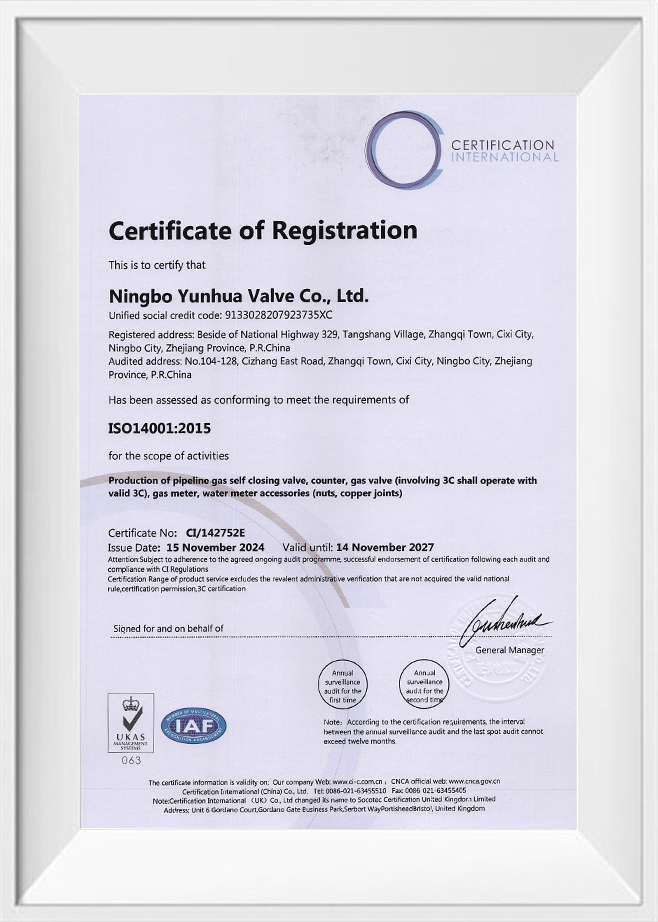
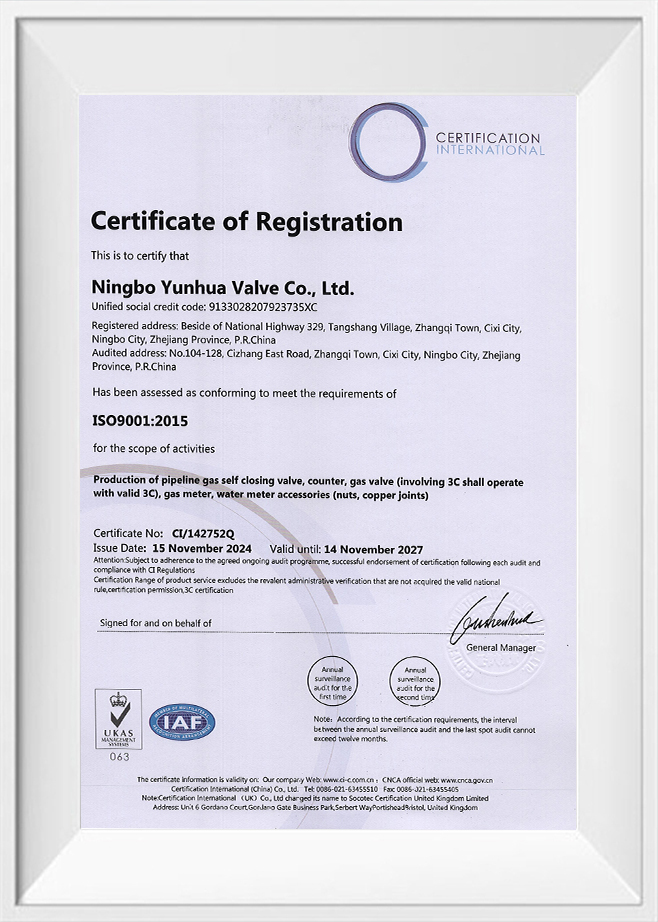
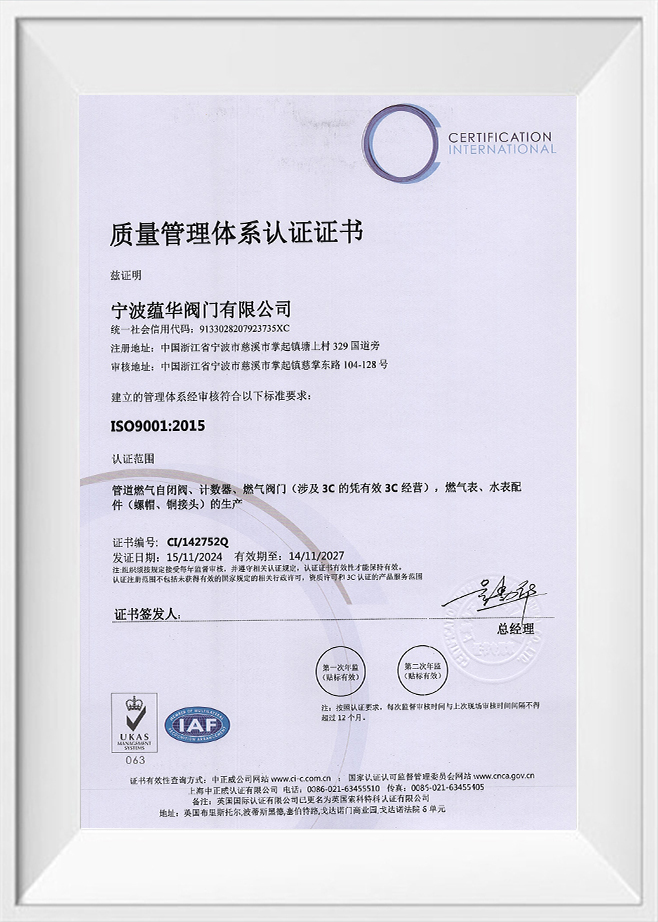
Ningbo Yunhua Valve Co., Ltd. is committed not only to providing high-quality lockable brass ball valve products but also to offering full lifecycle technical support to our customers. Our products are forged from high-quality CW617N brass, and the seats are made from pure PTFE or glass fiber reinforced PTFE, ensuring low torque and excellent sealing performance over long-term use. During production, we strictly implement the ISO9001 quality management system. Every valve undergoes 100% seal testing before leaving the factory, ensuring that the products delivered to customers are reliable and safe. At the same time, our technical team can provide professional selection advice and installation/maintenance guidance based on your specific operating conditions, helping you maximize the valve’s service life and minimize long-term operating costs.
Q1: What is the core difference between a lockable brass ball valve and a standard brass ball valve?
A: The core difference lies in the handle design. The handle and/or body of a lockable ball valve integrates a hasp with holes, allowing the operator to use a standard padlock to physically lock the valve in the fully open or fully closed position to prevent unauthorized or accidental operation. A standard ball valve lacks this feature.
Q2: How can I ensure the valve I purchase meets industrial safety standards?
A: Ensure the manufacturer provides clear performance parameters, including maximum working pressure, applicable temperature range, and material certificates. For valves used in LOTO procedures, verify that the locking mechanism is reliable and that the handle and locking holes align precisely in the open and closed positions. Ningbo Yunhua Valve Co., Ltd. manufactures products according to international standards and provides detailed technical data sheets, meeting the requirements of rigorous safety audits.
Q3: Is this type of valve suitable for natural gas pipelines?
A: Yes, properly certified brass lockable ball valves are highly suitable for natural gas or LPG pipelines. Brass offers excellent corrosion resistance to gas, and the locking function prevents accidental or malicious operation. Ensure the valve you select is explicitly marked for gas service and that its pressure rating meets the requirements of the gas system.
Q4: The valve handle has become very stiff to operate. Can I add lubricant or use a longer handle?
A: This is strongly NOT recommended. Stiffness usually results from wear, swelling of the internal PTFE seat, or trapped debris. Adding lubricant may not solve the problem and could contaminate the media. Using a cheater bar (e.g., a steel pipe) can easily damage the stem, locking mechanism, or seats, causing valve failure or leakage. The correct approach is to depressurize the system, then disassemble the valve for inspection/cleaning, or replace it entirely.
Q5: Does Ningbo Yunhua Valve Co., Ltd. provide warranty and technical support for its products?
A: Yes. As a professional valve manufacturer, Ningbo Yunhua Valve Co., Ltd. offers a quality guarantee on all shipped products. We not only provide standardized valve products but also have a professional technical team capable of offering comprehensive support services, including selection consulting, installation guidance, and failure analysis, ensuring your fluid control system operates safely and efficiently.


