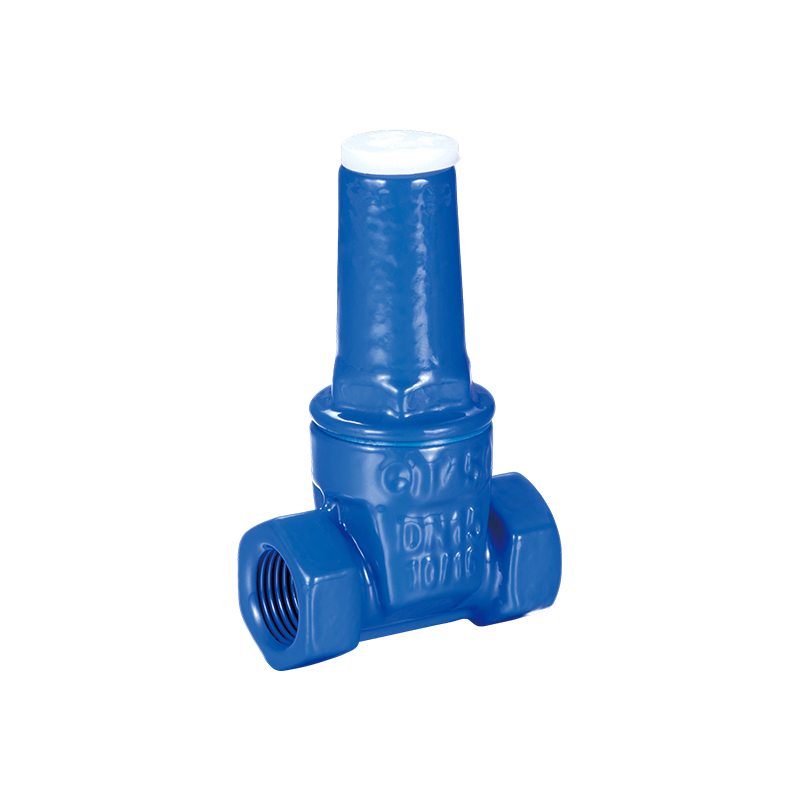
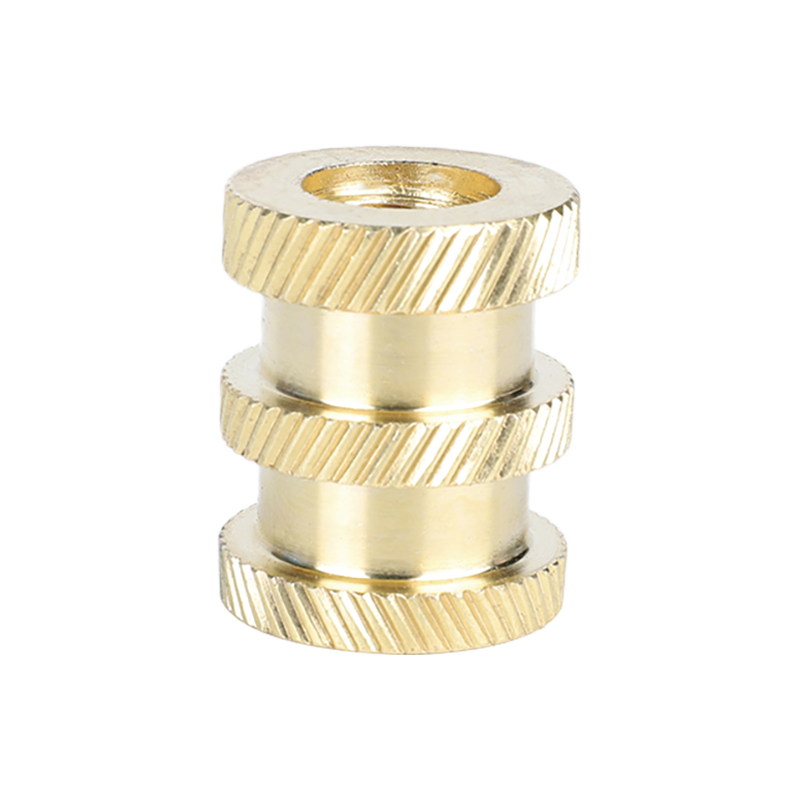
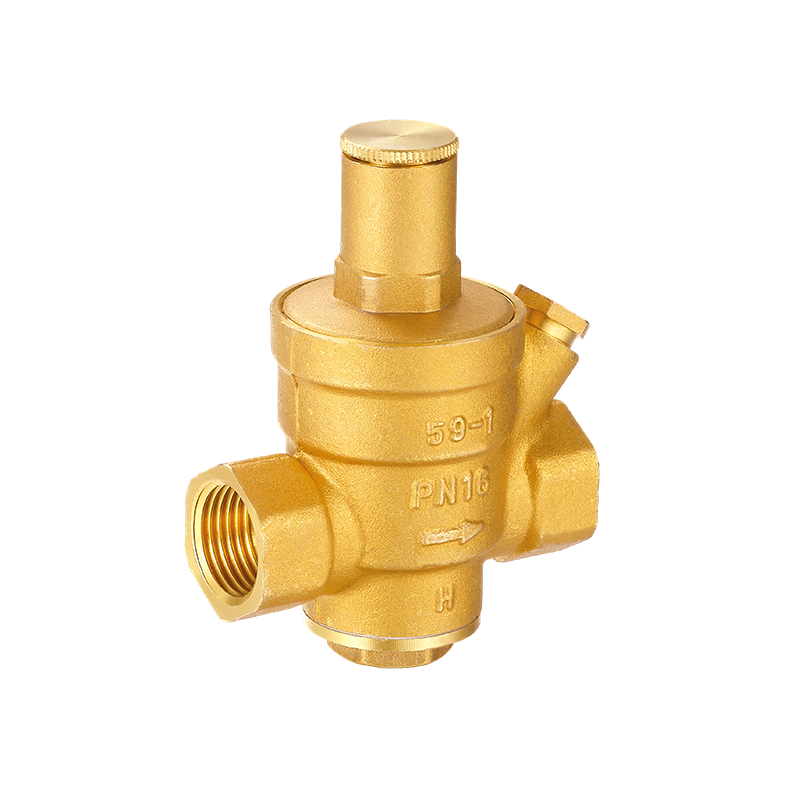

YH-601 วาล์วลดแรงดันลูกสูบทองเหลือง
วาล์วลดขนาดทองเหลือง วาล์วนี้จะลดและทำให้แรงดันขาเข้าคงที่โดยอัตโนมัติเพื่อให้แรงดันทางออกสม่ำเสมอแ...
วาล์วลดแรงดันทองเหลือง


 ภาษา
ภาษา


วาล์วลดแรงดันทองเหลืองจะลดระดับโดยอัตโนมัติและทำให้แรงดันน้ำเข้าสูงคงที่จนถึงระดับน้ำออกที่ปลอดภัยและสม่ำเสมอ ผลิตจากวัสดุที่ทนทานและทนต่อการกัดกร่อน ช่วยปกป้องระบบประปาจากความเสียหายที่เกิดจากแรงดันส่วนเกิน


The body structure of a Brass Pressure Reducing Valve directly affects pressure stability, sealing performance, internal flow efficiency, and long-term operational durability. A well-designed valve body allows fluid to pass smoothly through the internal chamber while maintaining stable outlet pressure under different working conditions. Brass materials are widely used in Brass Pressure Reducing Valve manufacturing because brass provides excellent corrosion resistance, strong mechanical strength, and outstanding machining performance. Compared with ordinary metal materials, brass maintains structural stability in water supply systems, gas transmission pipelines, and industrial fluid control applications for extended operating periods. The internal cavity design of a Brass Pressure Reducing Valve also influences turbulence reduction and energy loss control. Streamlined flow channels improve fluid distribution and reduce unnecessary pressure fluctuations during operation. Modern manufacturers increasingly use precision CNC machining technology to improve the dimensional accuracy of valve body structures and internal passages. High-precision machining allows the internal surface of the Brass Pressure Reducing Valve to remain smooth, reducing friction resistance and improving pressure adjustment performance.
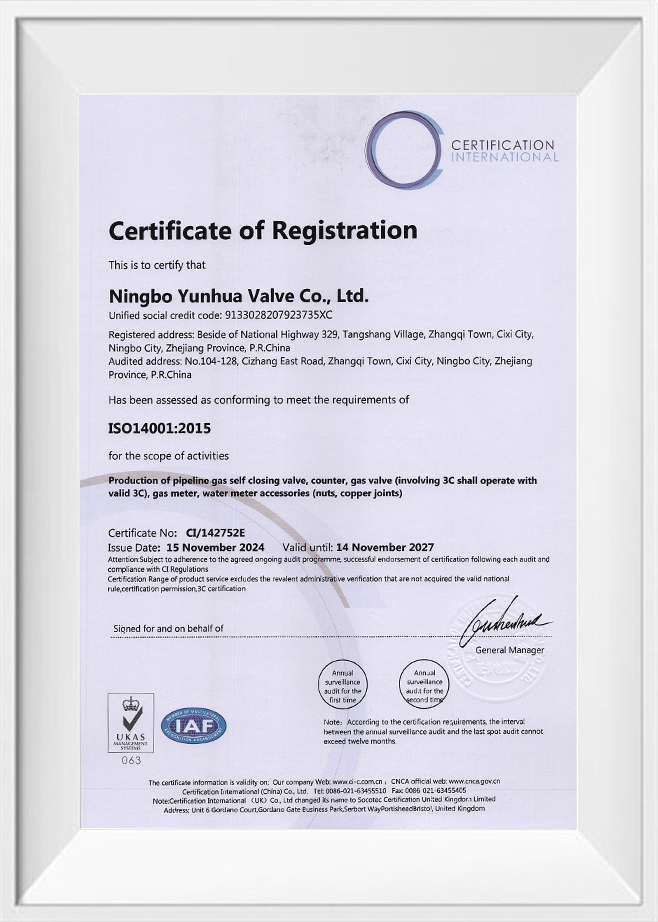
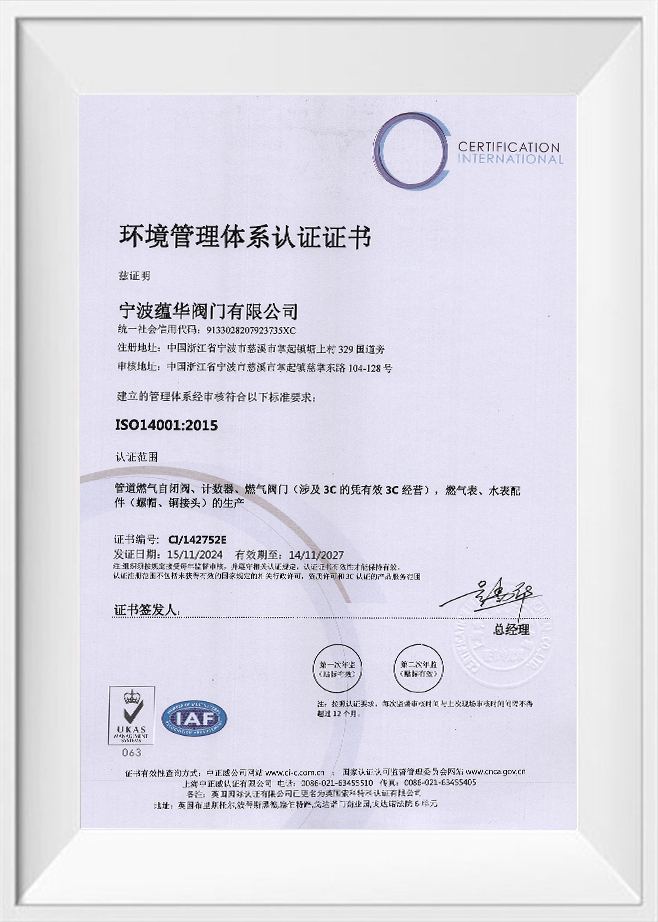
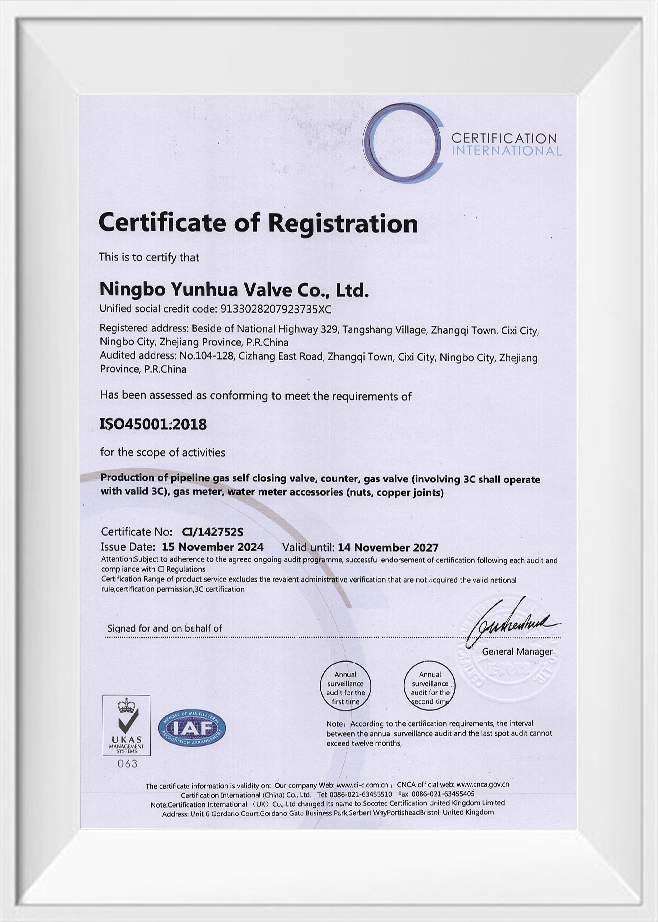
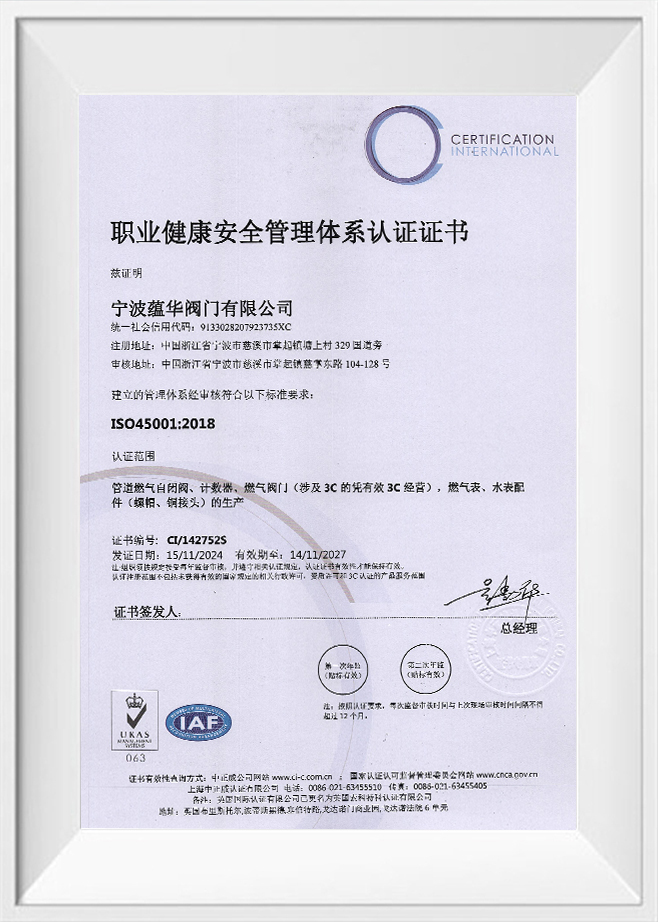
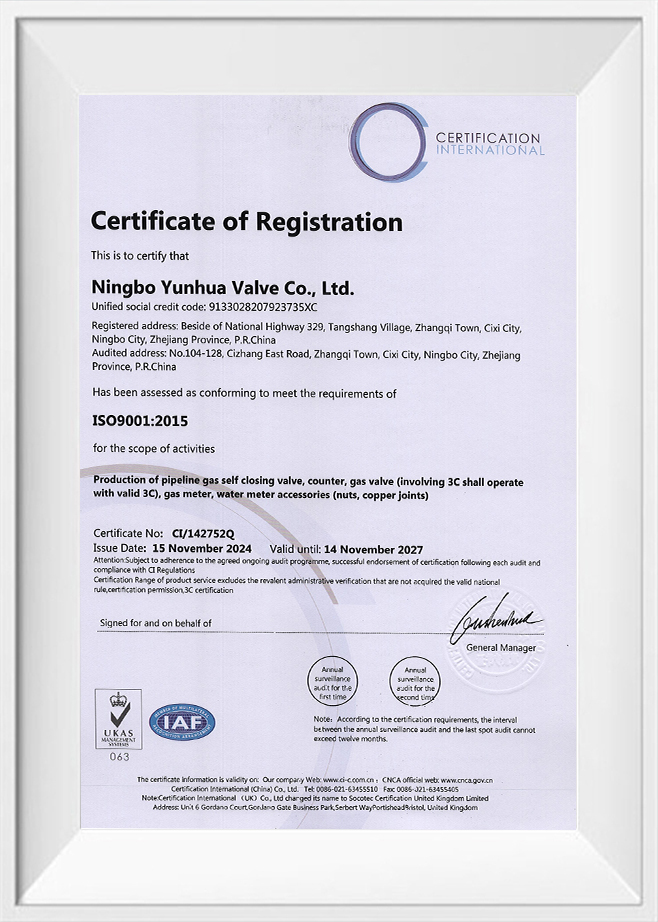
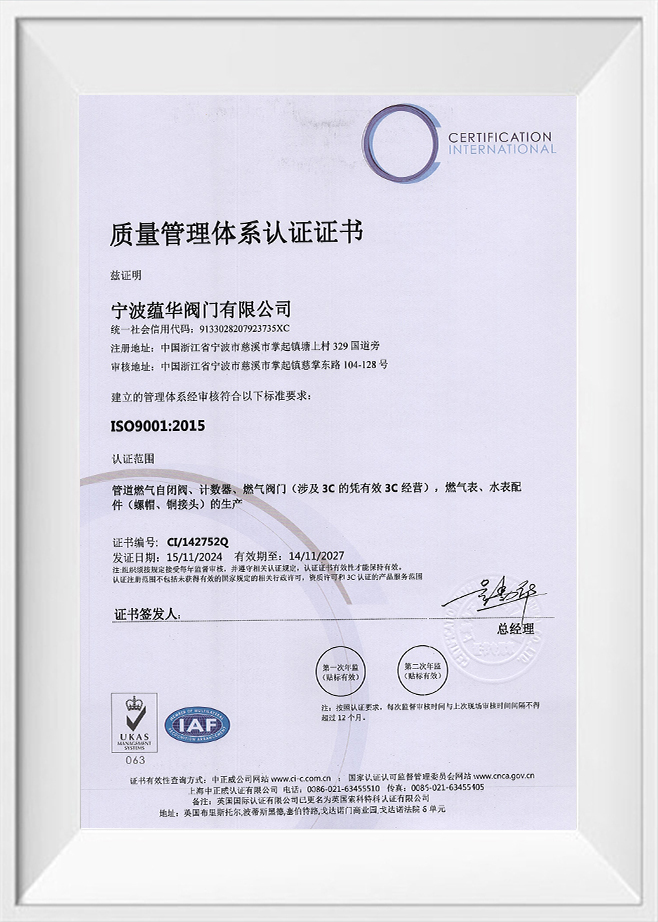
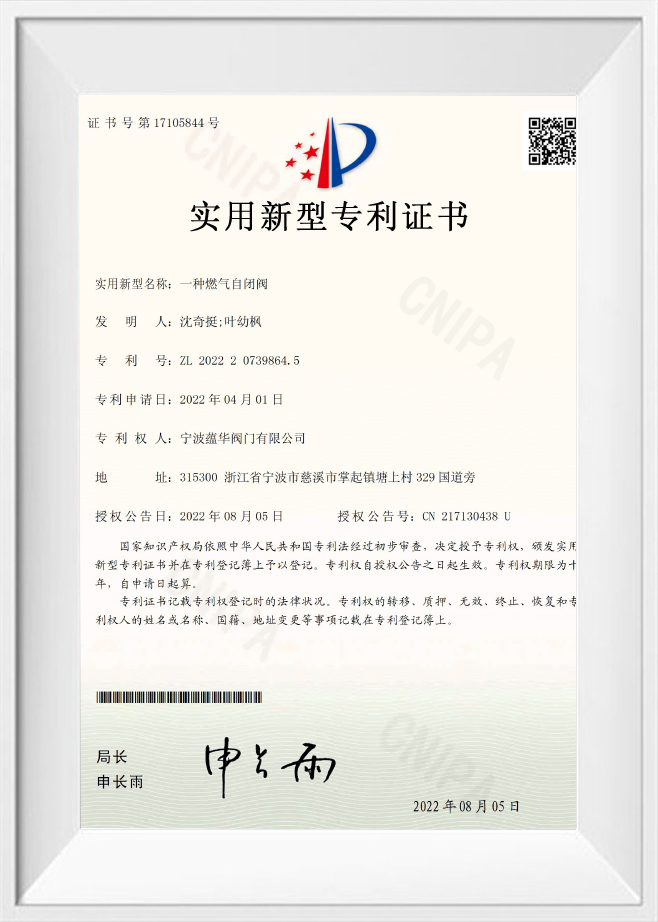
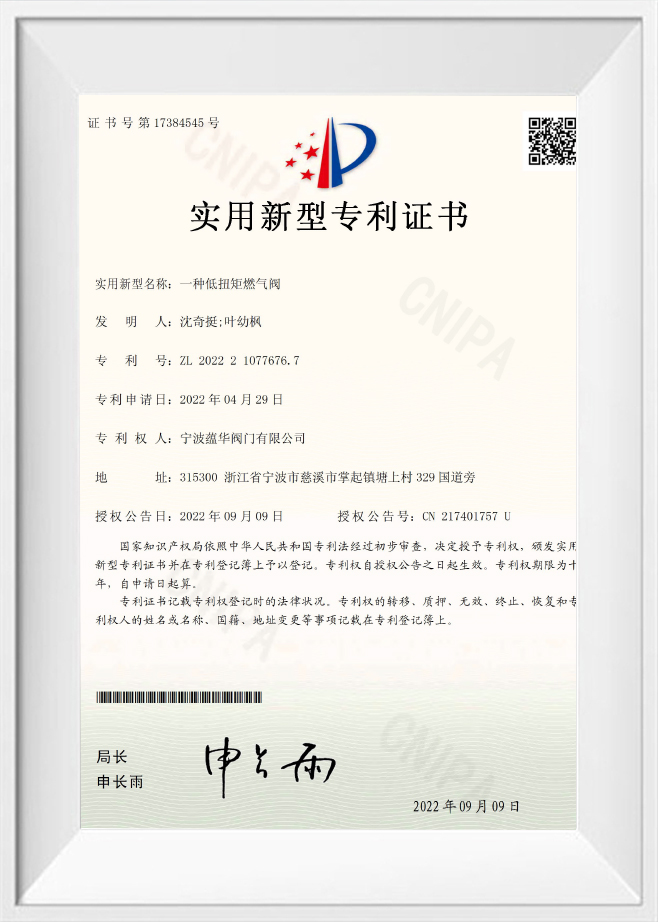
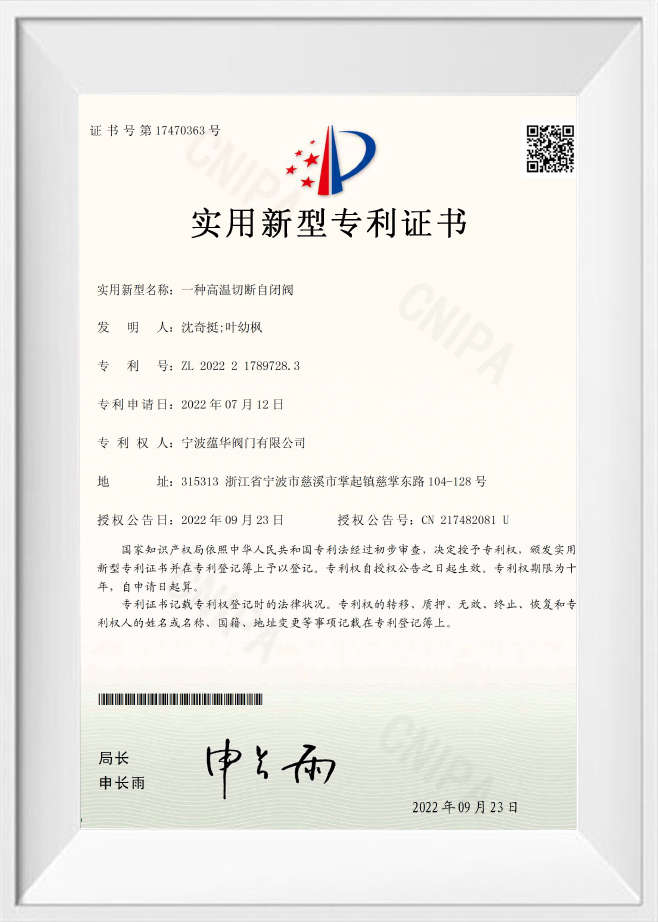
Ningbo Yunhua Valve Co., Ltd. specializes in the research, development, and manufacturing of gas fluid valves, water supply valves, and hardware accessories. The company operates a modern 20,000-square-meter production facility equipped with advanced CNC machining systems and automated production equipment, allowing every Brass Pressure Reducing Valve to achieve stable structural accuracy and consistent product quality. Through advanced manufacturing management and strict inspection standards, the company ensures reliable valve body strength, excellent pressure resistance capability, and long operational lifespan. In addition, optimized wall thickness design inside a Brass Pressure Reducing Valve improves compression resistance while reducing unnecessary material consumption. Surface treatment technologies such as polishing, nickel plating, and anti-corrosion coating further improve external durability and environmental adaptability. The connection interfaces of a Brass Pressure Reducing Valve must also maintain high dimensional precision to ensure stable installation compatibility with residential plumbing systems, industrial pipelines, and commercial fluid transportation equipment. Advanced manufacturing technology and structural optimization therefore continue driving the development of more efficient and durable Brass Pressure Reducing Valve products for global fluid control applications.
The diaphragm system inside a Brass Pressure Reducing Valve functions as the primary pressure-responsive component responsible for maintaining stable downstream pressure. During operation, the diaphragm continuously detects outlet pressure changes and automatically adjusts the valve opening position according to pressure variation within the pipeline system. When downstream pressure rises above the preset level, the diaphragm compresses and reduces the internal flow passage area, lowering fluid output pressure. When outlet pressure decreases, the diaphragm expands and increases flow capacity to restore pressure balance. The responsiveness of the diaphragm system strongly influences pressure adjustment precision, operational stability, and long-term reliability. Modern Brass Pressure Reducing Valve manufacturers increasingly focus on improving diaphragm flexibility, fatigue resistance, and sealing performance to ensure stable operation under continuous pressure cycling conditions.
High-performance synthetic rubber materials and reinforced elastomer compounds are commonly used in Brass Pressure Reducing Valve diaphragm production because these materials provide excellent resistance to pressure deformation, chemical corrosion, and thermal aging. Advanced diaphragm molding technology improves structural consistency and reduces the possibility of material fatigue during long-term operation. The sealing edge structure surrounding the diaphragm must also maintain accurate dimensional tolerances to minimize leakage risks and maintain pressure stability. Internal support structures connected to the diaphragm are carefully optimized to improve movement sensitivity and reduce unnecessary vibration during operation. Excessive vibration may affect pressure regulation consistency and accelerate internal component wear.
Ningbo Yunhua Valve Co., Ltd. utilizes advanced automated testing systems and precision manufacturing technology to improve the diaphragm reliability of every Brass Pressure Reducing Valve product. Through strict quality inspection and continuous production optimization, the company ensures stable diaphragm responsiveness and long operational service life under varying fluid pressure conditions. The internal diaphragm chamber design inside a Brass Pressure Reducing Valve also influences pressure equalization efficiency. Optimized chamber geometry allows pressure signals to transfer more smoothly to the diaphragm surface, improving response speed and reducing pressure fluctuation. Modern engineering analysis methods such as fluid dynamics simulation further improve diaphragm system efficiency and pressure control stability. As fluid control technology continues developing, diaphragm systems inside Brass Pressure Reducing Valve products are increasingly designed for higher sensitivity, lower maintenance frequency, and improved adaptability across residential, commercial, and industrial pipeline systems.
The spring mechanism inside a Brass Pressure Reducing Valve serves as the balancing force that works together with the diaphragm system to regulate outlet pressure. Spring compression force determines the preset pressure level and directly affects the valve’s pressure adjustment sensitivity and operational consistency. During operation, the spring pushes against the diaphragm assembly to maintain balanced valve opening movement. When downstream pressure changes occur, the spring mechanism automatically adjusts internal flow passage size to stabilize fluid pressure output. Spring performance therefore significantly influences the pressure control precision and long-term durability of a Brass Pressure Reducing Valve.
High-quality stainless steel materials are commonly selected for Brass Pressure Reducing Valve spring manufacturing because stainless steel provides strong elasticity, corrosion resistance, and fatigue durability under continuous compression cycles. Precision spring winding technology improves dimensional consistency and helps maintain stable elastic force throughout extended operational periods. Proper spring stiffness selection is essential for balancing pressure response sensitivity and operational stability. Excessively rigid springs may reduce low-pressure responsiveness, while overly flexible springs may cause unstable pressure fluctuation during operation. Modern valve manufacturers therefore conduct detailed engineering analysis and pressure calibration to optimize spring characteristics according to different application requirements.
Ningbo Yunhua Valve Co., Ltd. integrates advanced CNC processing equipment and automated assembly systems into the production of Brass Pressure Reducing Valve products, ensuring accurate spring installation and stable pressure calibration performance. Through comprehensive testing procedures and strict production standards, the company improves the consistency and operational reliability of internal spring systems. The contact surfaces between the spring mechanism and diaphragm assembly must also maintain smooth structural alignment to reduce friction and improve movement efficiency. Optimized spring chamber structures further help minimize vibration and operational noise during pressure adjustment. Temperature adaptability is another important factor affecting spring performance inside a Brass Pressure Reducing Valve. Springs operating under high-temperature conditions may experience elasticity variation if unsuitable materials are selected. Advanced heat treatment processes and material optimization therefore improve thermal stability and maintain consistent pressure control performance across varying environmental conditions. As modern fluid systems increasingly require higher efficiency and stable pressure regulation, spring mechanism optimization remains a major area of development within Brass Pressure Reducing Valve engineering and manufacturing technology.
The sealing structure of a Brass Pressure Reducing Valve strongly influences operational safety, pressure retention capability, and long-term fluid control reliability. Effective sealing systems prevent fluid leakage, maintain stable outlet pressure, and improve overall operational efficiency within residential plumbing systems, commercial water networks, and industrial fluid transportation applications. Internal sealing components must withstand continuous pressure fluctuations, temperature variation, and fluid exposure without losing elasticity or sealing capability. Modern Brass Pressure Reducing Valve manufacturers therefore focus on improving sealing material quality, structural precision, and surface finishing technology to achieve stable long-term sealing performance.
High-performance sealing materials such as EPDM, NBR, and PTFE are widely used inside Brass Pressure Reducing Valve products because these materials provide excellent chemical resistance, compression recovery capability, and thermal stability. Precision-machined sealing surfaces improve contact uniformity and reduce the possibility of leakage caused by uneven pressure distribution. Internal sealing rings and valve seat structures must also maintain high dimensional accuracy to ensure smooth movement during valve adjustment cycles. Poor sealing alignment may increase internal friction, accelerate component wear, and reduce pressure regulation stability. Advanced polishing and machining technologies therefore improve sealing surface smoothness and operational durability.
Ningbo Yunhua Valve Co., Ltd. utilizes advanced automated inspection systems and strict quality management procedures to improve the sealing reliability of every Brass Pressure Reducing Valve product. The company’s modern production facility and professional engineering team support continuous optimization of sealing structures, valve seat accuracy, and component compatibility. External sealing performance is equally important because threaded interfaces and pipe connection areas must maintain stable sealing capability during long-term operation. Surface coating technologies and corrosion-resistant treatments further improve environmental adaptability and reduce external leakage risks. Pressure endurance testing and leakage simulation analysis are commonly performed during Brass Pressure Reducing Valve production to verify sealing performance under various working conditions. Through continuous innovation in sealing material technology and structural optimization, modern Brass Pressure Reducing Valve products achieve improved pressure stability, lower maintenance frequency, and enhanced operational reliability across diverse fluid control systems.


